
Car power inverters are essential devices for providing reliable electricity to your electronics and appliances when you're on the road. These devices convert DC (direct current) power from your car’s battery into AC (alternating current) power, making it possible to run everything from laptops to small appliances. However, like any piece of technology, inverters can sometimes run into issues. In this blog, we’ll guide you through troubleshooting some of the most common problems with car power inverters and offer tips on how to resolve them.
Understanding the Basic Components of a Car Power Inverter
Before we dive into troubleshooting, it’s important to understand how a car power inverter works. The basic components include:
- Input terminals: Where the inverter connects to the car’s DC power source, usually the 12V battery.
- Output terminals: Where the converted AC power is delivered to your devices.
- Cooling fans and vents: Used to prevent the inverter from overheating during use.
By understanding how these components work together, it will be easier to identify and fix any problems that arise.
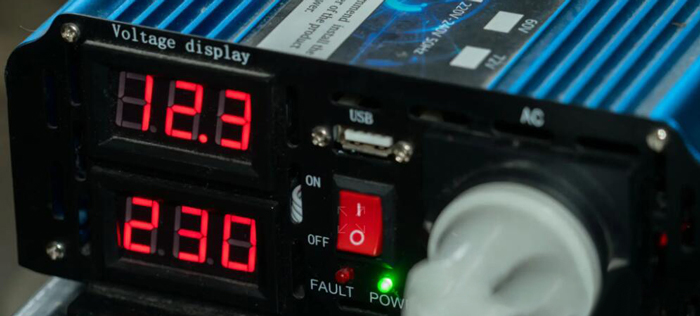
Common Issues with Car Power Inverters
Car power inverters are generally reliable, but like all electronic devices, they can experience problems. Here are some of the most common issues you may encounter:
| Issue | Symptoms | Possible Causes |
| Power Output is Too Low | The car battery inverter is on, but your devices aren’t receiving the expected power or aren’t working correctly. | Overload: The vehicle power inverters you're powering may exceed the inverter's maximum wattage capacity. Settings Issue: Wrong voltage or frequency setting. Inadequate DC Input: Car's battery voltage is too low. |
| Inverter Doesn't Turn On | When you try to turn the inverter on, nothing happens. No lights, no power. | Blown Fuse: The fuse is blown. Loose or Faulty Connections: Cables or connectors are loose or broken. Defective Battery: Car battery is weak or dead. |
| No Output Voltage | The car inverter turns on, but there's no power coming out of the AC outlet. | Internal Faults: Faulty circuits or transformer. Wiring Issue: Loose or broken connection between output port and connected device. Overload or Safety Shutoff: Overheating or overload causes safety shutdown. |
| Overheating | The inverter feels hot to the touch or shuts down intermittently, especially during prolonged use. | Excess Load: Connected devices demand more power than the inverter can handle. Poor Ventilation: Inadequate airflow. Dirty Fans or Vents: Accumulation of dust and debris. |
| Sparks or Smoke | You notice sparks or smoke coming from the inverter when you plug it in or while it’s in use. | Short Circuit: Internal faulty wiring or components. Overload: Drawing too much current. External Damage: Damaged power cord or connector. |
| Noise or Buzzing Sound | A noticeable buzzing or humming sound comes from the inverter, especially when devices are plugged in. | Electrical Interference: Issues with internal components or connected devices. Overload: Inverter struggling to power the load. Faulty Components: Malfunctioning transformer or electrical parts. |
Step-by-Step Troubleshooting Guide

| Step | What to Do |
| Step 1: Check the Power Source | Make sure the car battery is fully charged and providing adequate power (usually around 12V for most inverters). Test the battery voltage using a multimeter to ensure it's not too low. Check the fuse on the inverter. If blown, replace it with one of the same rating. |
| Step 2: Verify the Inverter Settings | Double-check the input and output settings on your inverter. Ensure the output voltage and frequency are set correctly, matching the devices you're powering. Set frequency to 50Hz or 60Hz based on your location. |
| Step 3: Examine the Connections | Inspect the input and output connections. Ensure the cables are securely plugged in. Look for corroded, frayed, or loose wires. Clean or replace any damaged cables. Check the ground connection for issues. |
| Step 4: Inspect the Load | Calculate the total wattage of the devices plugged into the inverter. Ensure the total wattage doesn't exceed the inverter's rated capacity. Unplug high-power devices if necessary to reduce the load. |
| Step 5: Check for Overheating | Check the ambient temperature around the inverter. Move it to a cooler, more ventilated spot if needed. Inspect cooling fan and vents for dust or debris. Clean the vents if necessary. |
| Step 6: Reset the Inverter | Press the reset button to restore the inverter to its default settings. If no reset button, disconnect the inverter from the battery, wait a few minutes, and reconnect it. |
Tips to Prevent Common Issues
Prevention is key when it comes to extending the life of your car power inverter and avoiding issues down the line. Here are a few tips:
- Regular Maintenance: Keep the vehicle power inverter clean and free from dust. Dust can clog the vents and cause overheating.
- Proper Ventilation: Ensure that your inverter has enough space for air to circulate and cool it down during use.
- Avoid Overloading: Stick to the recommended load limits to avoid damaging the inverter.
- Use Correct Power Cables: Always use cables that are rated for the appropriate voltage and current.
Regular maintenance, proper usage, and understanding the limitations of your inverter will ensure its longevity and optimal performance. If you find yourself facing more complex issues, don’t hesitate to reach out to a professional for help.
Leave your comment (Registered user only)